Shopping powertrains in 2026? Here's the honest version from people who fix all three. No agenda, no hype — just running costs, maintenance realities, and which driver each one actually suits.
Gas: the known quantity
Lowest purchase price, fuel everywhere, any shop can fix it. Downsides: most moving parts, most maintenance (oil, transmission fluid, coolant, belts, plugs), and the highest per-mile energy cost. Best for: low-mileage drivers, towers, and anyone keeping payments down.
Hybrid: the sweet spot for most
40–50 MPG in town, no charging needed, and brakes that last twice as long thanks to regen. The traction battery usually outlasts the car now, and health checks are cheap. Best for: commuters, rideshare drivers, and the "just want it to work" crowd.
Electric: cheapest per mile, priciest tires
Home charging beats gas by a mile, and there's almost no scheduled maintenance — but instant torque eats tires 20–30% faster, and out-of-warranty pack or body repairs are dealer territory. Best for: homeowners with charging who drive predictable miles.
The maintenance scoreboard
- Oil changes: gas and hybrid yes, EV never.
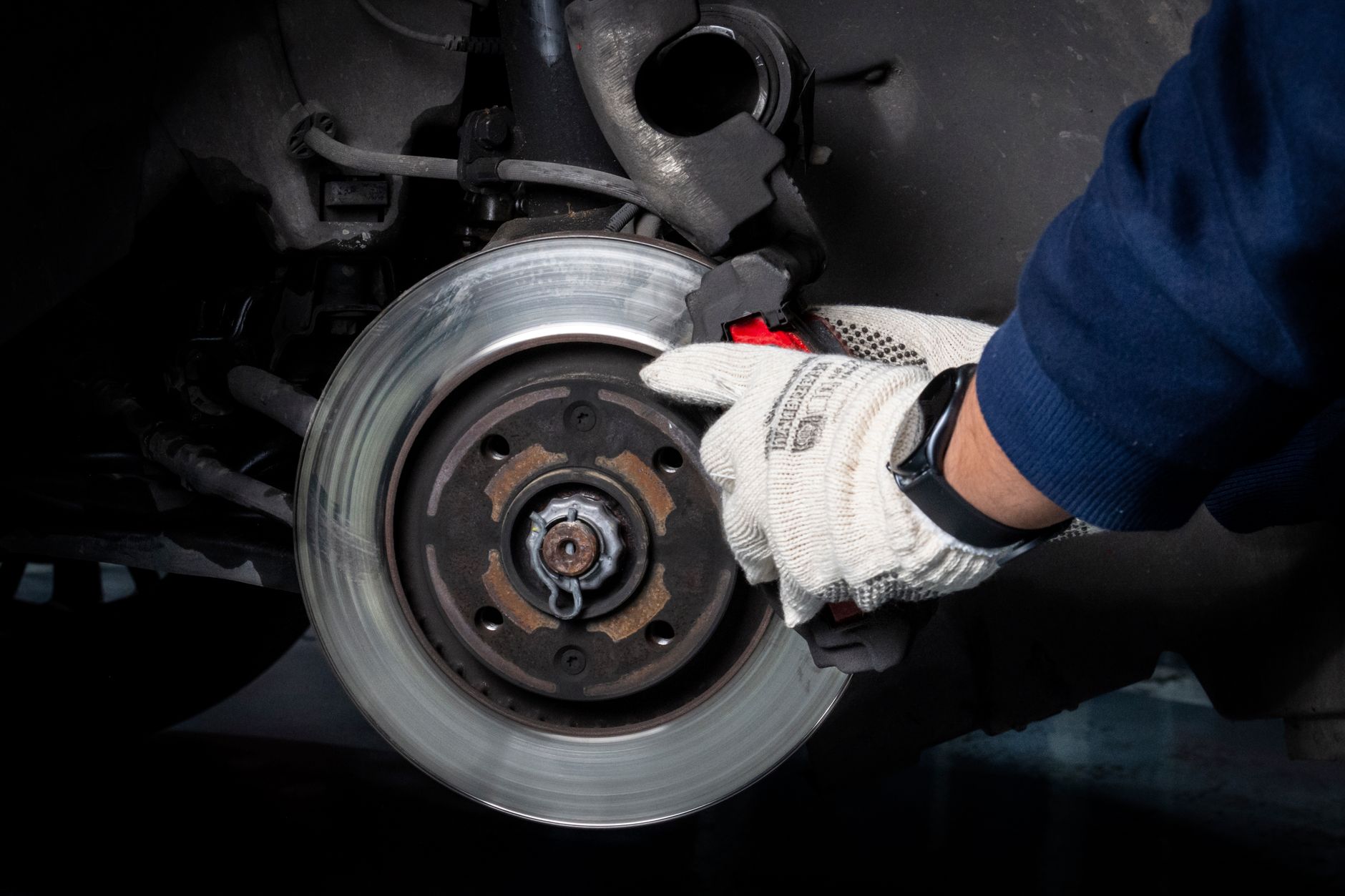
- Brakes: hybrids and EVs win big on pad life — but need annual clean-and-lube.
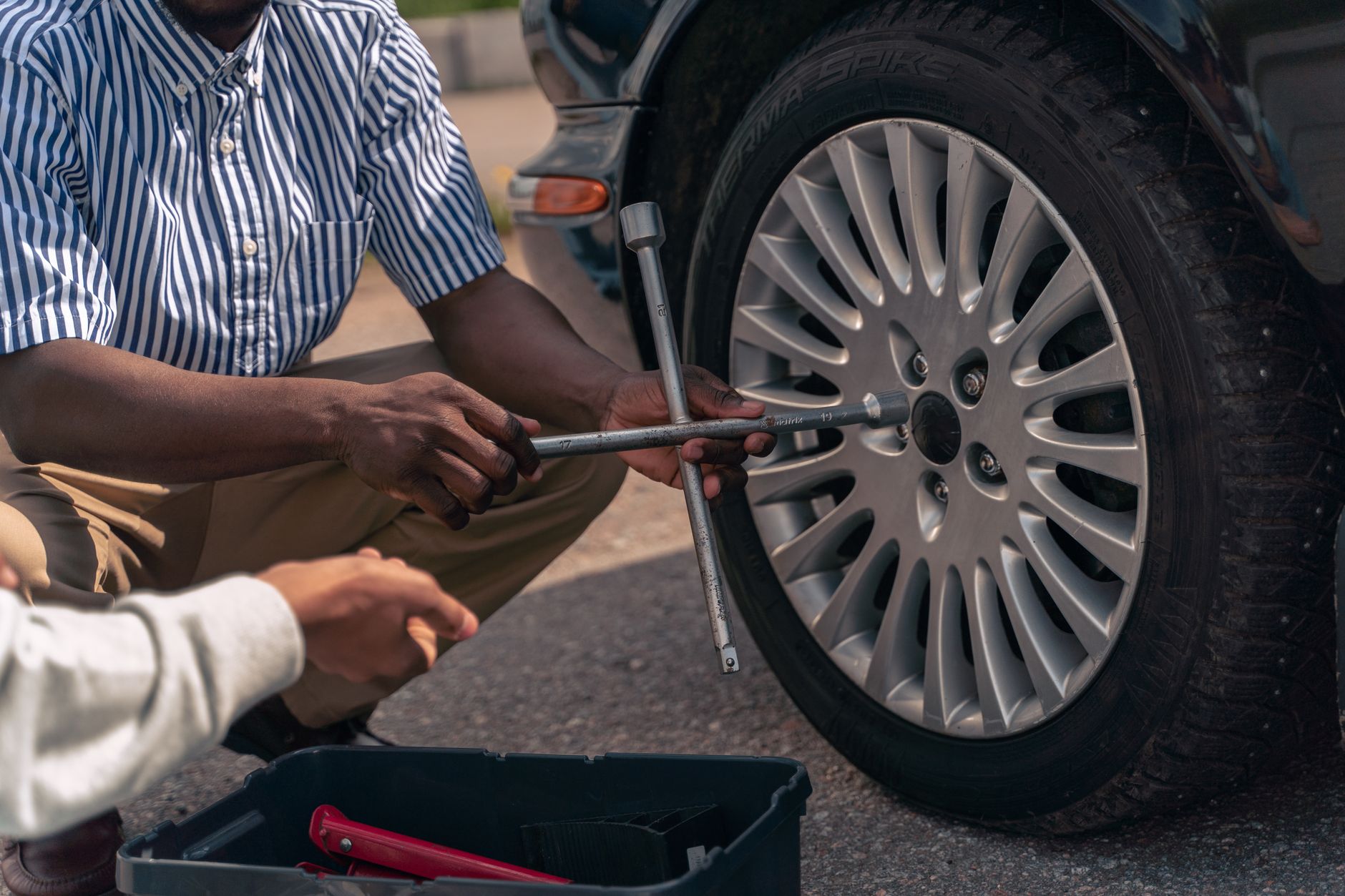
- Tires: EVs wear fastest; budget accordingly.
- 12V batteries: all three still have one, and it still strands people.
Our take
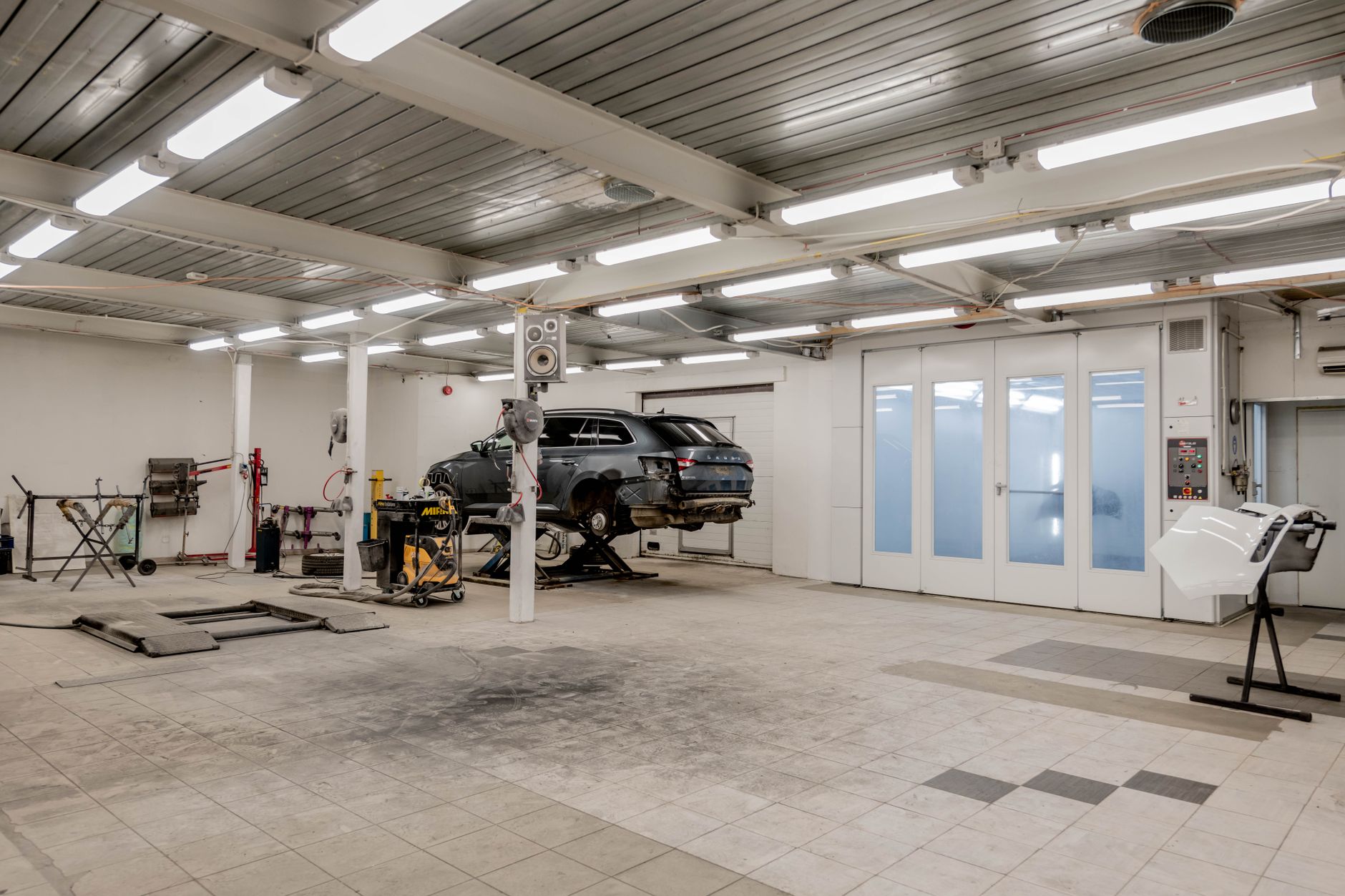
Match the powertrain to your charging access and annual miles, not to headlines. And whichever you buy, bring it to us — we service gas, hybrid and EV maintenance (tires, brakes, filters, 12V) under one roof.