Brakes are supposed to be boring and silent. When they start composing, here's how to read the soundtrack — what each sound means, how urgent it is, and what the fix usually costs.
Squeal: the early warning
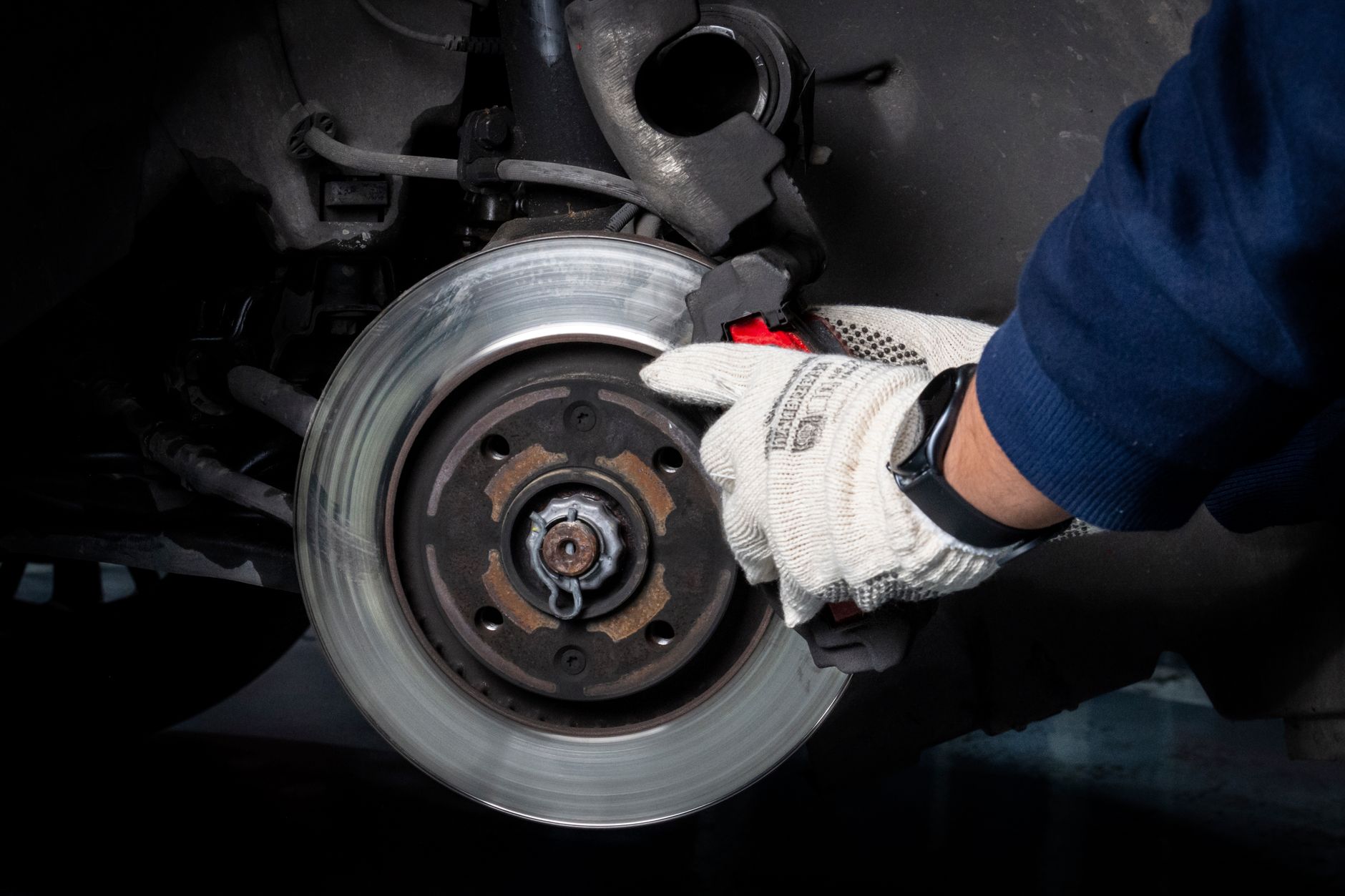
A high-pitched squeal when braking is usually the wear indicator — a small tab designed to announce that pads are nearly done. Urgency: schedule this week. Typical fix: pads, often with a rotor resurface, $229–$399 per axle.
Grind: stop driving on it
Grinding means pad material is gone and metal meets metal. Every mile now destroys rotors and risks the caliper. Urgency: same-day visit. Typical fix: pads plus rotors, and we check calipers for heat damage.
Groan or moan at low speed
A low groan creeping to a stop often means glazed pads, rusty rotors after rain, or dry caliper slides. If it vanishes after a few stops, it's usually surface rust. If it stays, the slides need cleaning and lubrication.
Click, rattle or thump
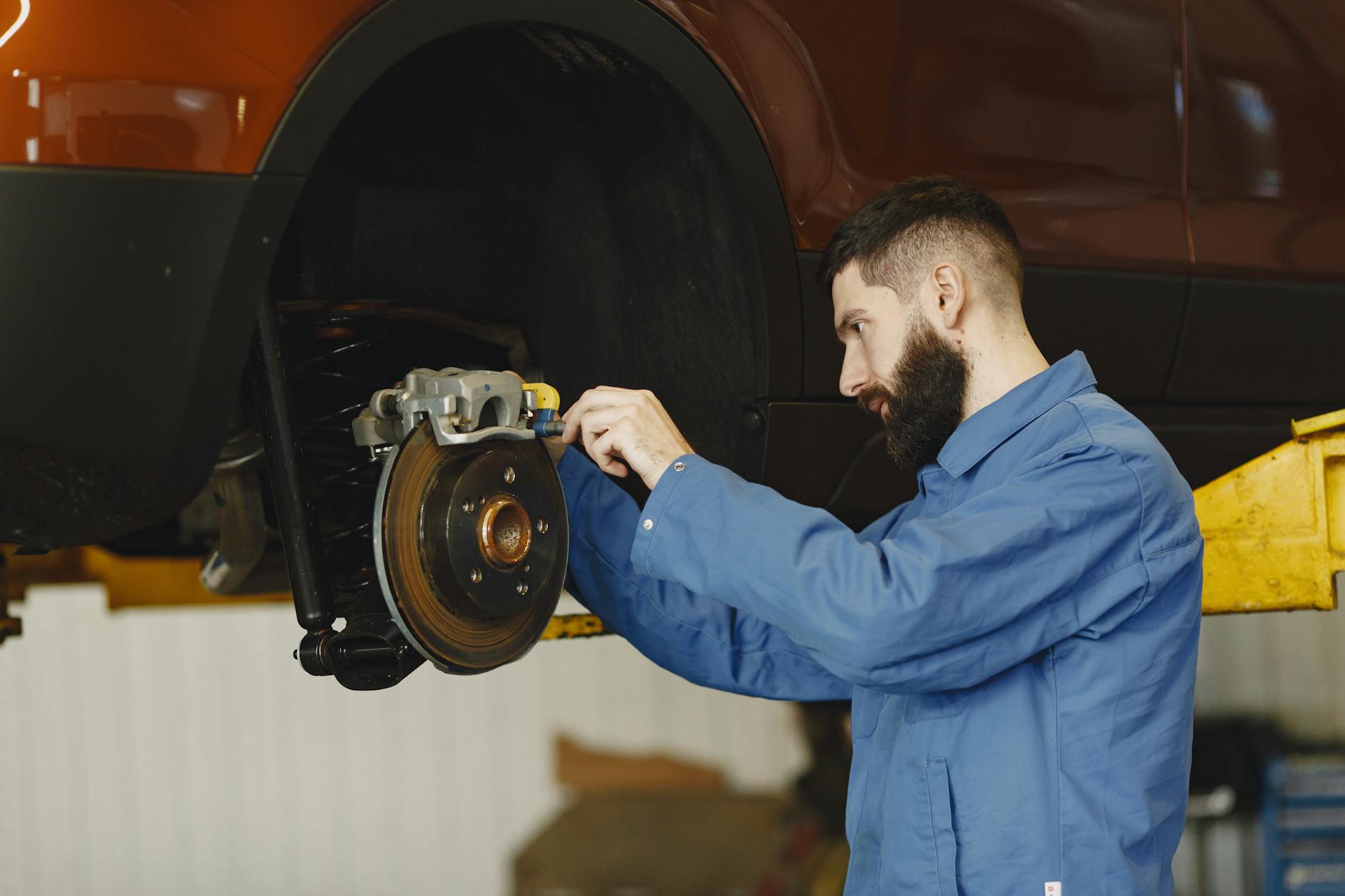
Rhythmic clicking can be a cracked pad or debris; a single thump when first braking after parking is often a pad shifting in a worn bracket. Both deserve a free inspection — ours includes photos.
The rule of thumb
Squeal this week, grind today. And any change in pedal feel — longer travel, pulsing, pulling — outranks every noise on this list. Book a free brake inspection and we'll measure everything before quoting anything.